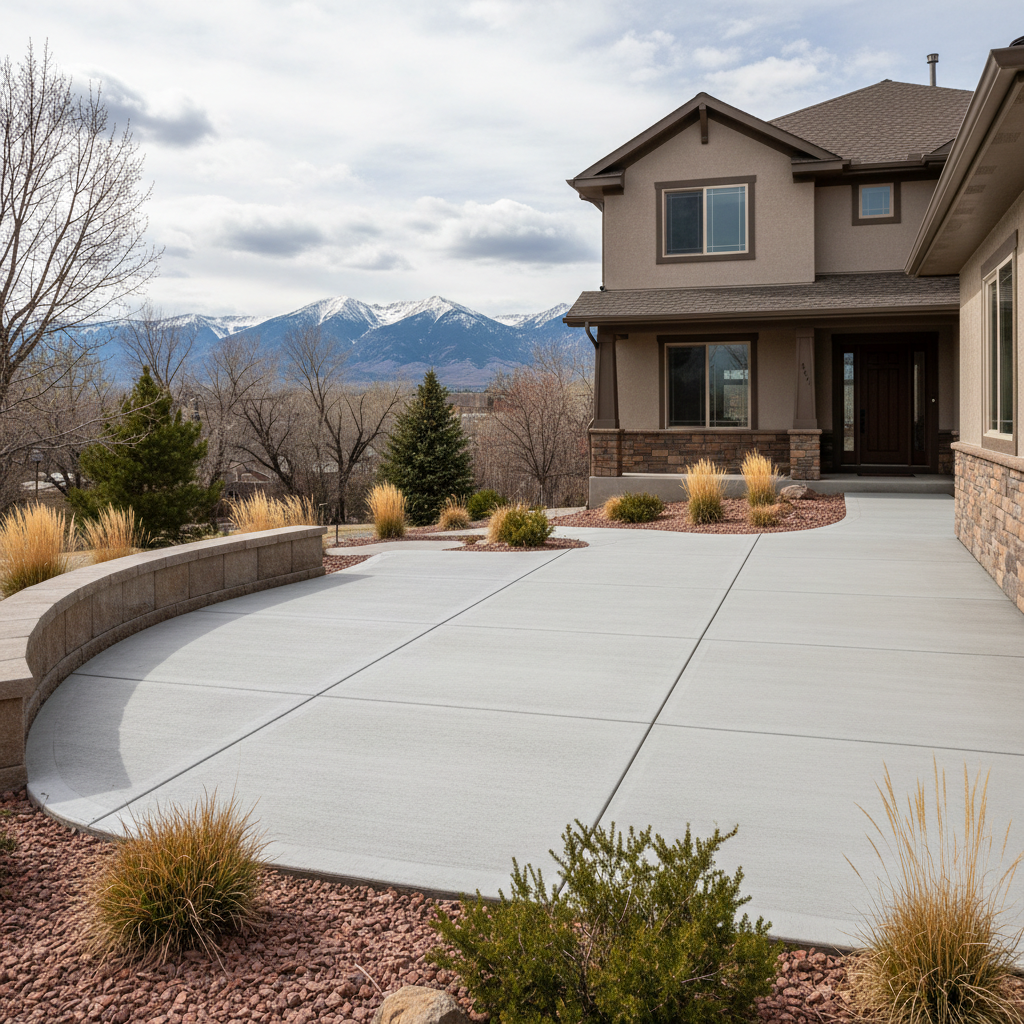
Concrete patios in the neighborhoods around Murray hold up for decades when they are installed right. Other concrete patios start flaking and cracking after just a couple of winters. Working on flatwork all over the Salt Lake Valley shows that the local climate is very hard on concrete. Between the freezing winter nights, heavy spring moisture, and baking summer sun, your flatwork takes a lot of weathering.
Planning a new driveway, walkway, or patio means timing matters more than you might think. You cannot just pour concrete whenever it fits your schedule. The weather has the final say on Concrete Contractor projects.
How Local Weather Shapes the Pouring Schedule
Winter ground in Murray stays cold, and pouring concrete over frozen sub-grades is a recipe for disaster. When the sub-base thaws unevenly, your new slab will crack and shift. Neighborly Concrete Solutions generally waits until daytime temperatures consistently stay above 50 degrees and the threat of a hard overnight freeze has passed.
Spring brings its own set of challenges. While the temperatures start feeling great, our spring rains can saturate the ground. Pouring over muddy, shifting soil means your slab does not have a stable foundation. Neighborly Concrete Solutions keeps a close eye on the forecast to catch those dry windows when the ground has drained properly.
Summer gives us long days and steady weather, which makes scheduling easy, but the heat brings a different challenge. When it is 95 degrees and dry out, concrete cures too fast. That rapid moisture loss leads to surface shrinkage cracks if you are not paying attention. Neighborly Concrete Solutions adjusts pour times and mixes when it gets hot, often starting at dawn so the material sets up right without burning out.
Protecting Your Flatwork Year-Round
Once your concrete is cured, the work is not over. Utah weather demands routine care to keep that investment looking solid. Here is how you protect Concrete Contractor work through the changing seasons:
- Seal your flatwork every couple of years to block out moisture before the winter freeze-thaw cycles kick in.
- Keep de-icing salts off your new concrete during those heavy snowstorms. Use sand or safe alternatives for traction instead.
- Clear wet leaves and debris off your patio or sidewalk in the fall so moisture does not get trapped against the surface.
Taking care of your concrete flatwork does not have to be a full-time job. A little seasonal awareness goes a long way toward making sure your driveway or patio lasts for 15 to 20 years or more here in Murray.