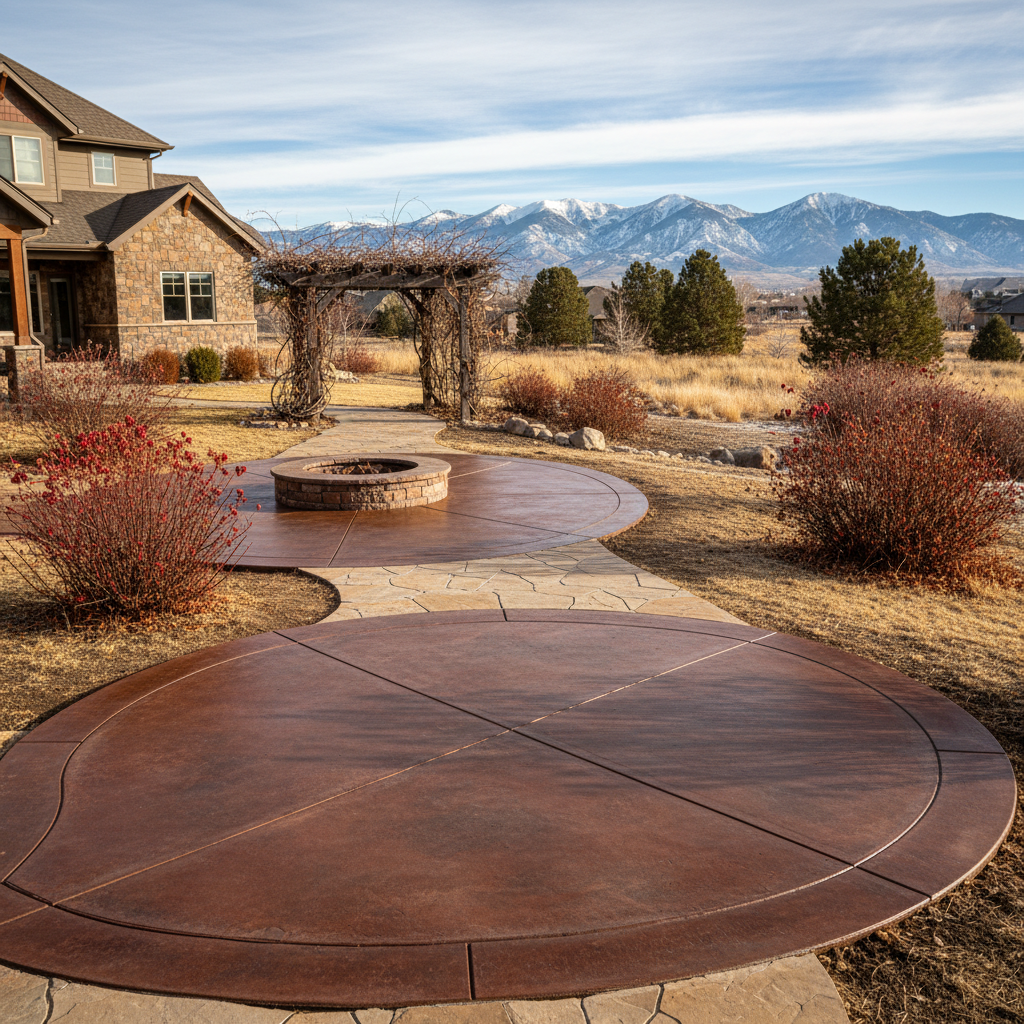
Got some concrete around your Murray home? Maybe a patio, a walkway, or even a garage floor? If you're thinking about staining it, that's a smart move! Staining can totally transform a dull slab into something really beautiful, adding curb appeal and value to your place. But here's the thing you need to know: you can't just pick any old day to get it done. The weather, especially here in Utah, plays a huge role in how well that stain takes and how long it actually lasts.
When's the Best Time to Stain Concrete in Murray?
Honestly, spring and fall are your best friends for concrete staining around here. I'm talking late April through June, and then again from September through October. Why those specific windows? It's all about temperature and humidity, pure and simple. Stains, especially the acid-based and water-based types we typically use, need pretty specific conditions to cure correctly.
You want consistent temperatures, ideally somewhere between 50 and 85 degrees Fahrenheit. Anything much colder, and the stain won't penetrate or cure right; it just kind of sits on top and can flake off later. Too hot, though, and it dries way too fast, which leads to uneven color or blotchiness. Plus, working in 95-degree heat on a concrete slab that's even hotter? Nobody wants that, right? The concrete itself needs to be cool enough to touch comfortably.
Humidity matters too, by the way. Super high humidity can slow down drying times, which isn't the end of the world, but it can definitely extend the project. Super low humidity, like what we often get in the summer, can make water-based stains dry too fast before they've had a chance to fully react or penetrate. It's a delicate balance.
Weather Conditions That Mess Things Up
This might seem obvious, but you absolutely cannot stain concrete in the rain. Not before, not during, not right after. The concrete needs to be completely dry for the stain to absorb properly. If it's been raining, you'll need to wait at least 24-48 hours, sometimes longer depending on how saturated the slab got. Same goes for a forecast that calls for rain within 24 hours of application – seriously, don't risk it. You'll just wash your hard work (and money!) down the drain.
Wind is another sneaky culprit. A little breeze is fine; it actually helps with drying. But strong winds? They can blow dust, leaves, and all sorts of debris onto your wet stain, which then gets stuck. It also makes applying the stain evenly a real headache, especially if you're spraying. Plus, it can make certain stains dry unevenly.
And then there's direct, intense sunlight. If you're trying to stain a south-facing patio in the middle of a July afternoon, you're asking for trouble. The sun heats the concrete surface way up, causing the stain to flash dry almost instantly. This leads to streaks, lap marks, and a generally inconsistent finish. We always try to schedule staining for cooler parts of the day or when the area is shaded. If that's not possible, sometimes we'll even rig up temporary shade covers – whatever it takes.
Year-Round Protection for Your Stained Concrete
Once your concrete is stained and sealed, you've made an investment. Now you need to protect it, especially with our Murray weather patterns. We get those hot, dry summers and then the freezing, thawing cycles in winter. That freeze-thaw action is brutal on concrete, and even more so if it's not properly sealed.
- Seal It Right: After staining, a good quality sealer is non-negotiable. It protects the color from UV fading, resists abrasion, and prevents moisture penetration. I usually recommend a re-seal every 2-3 years, depending on traffic and exposure. You'll know it's time when water stops beading up on the surface.
- Keep it Clean: Regular sweeping and occasional washing with a mild detergent and water will keep your stained concrete looking fresh. Avoid harsh chemicals or abrasive cleaners, as they can strip the sealer or even damage the stain itself.
- Watch for De-icers: This is a big one for Murray homeowners. Many de-icing salts contain chemicals that can aggressively attack concrete and its sealers. If you absolutely need to use something on your stained driveway or walkway in winter, look for products labeled 'concrete safe' or just use plain sand for traction. Calcium chloride is often less damaging than rock salt (sodium chloride), but even then, use sparingly and rinse thoroughly when temperatures allow.
- Protect from Heavy Objects: If you're dragging heavy furniture or equipment across your stained patio, you're going to scratch it. Use felt pads or lift items rather than slide them.
Taking care of your stained concrete isn't rocket science, but it does require a little attention. Just like you wouldn't leave your car out in the elements without a wash or wax, your stained concrete needs some love to keep looking its best. If you've got questions about your specific project or need some help getting it done right, give us a shout at Neighborly Concrete Solutions. We're always happy to talk concrete.