What's the difference between a slab, crawl space, and basement foundation? Which is best for Murray homes?
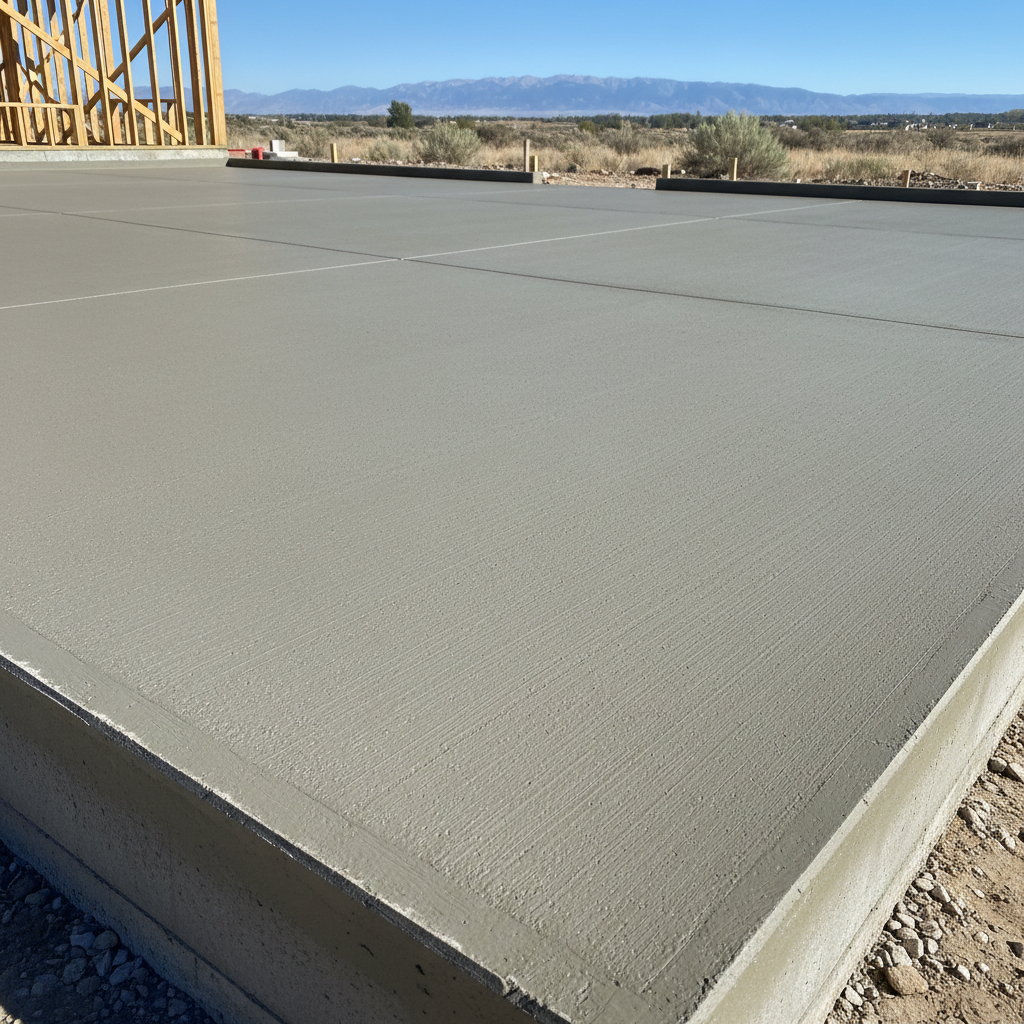
Alright, let's get down to the basics here, because this is where a lot of folks get a bit mixed up. You've really got three main types of foundations that homes typically sit on. A slab-on-grade foundation is pretty much what it sounds like: your house is built right on a concrete slab, poured directly onto the ground. There's no empty space underneath the main living area. It's usually the cheapest and quickest to build, and hey, you don't have to fret about a damp crawl space or basement. But, and this is a big one, if you ever have plumbing problems under that slab, fixing it can be a real headache.
A crawl space foundation means your house sits a few feet off the ground, creating a shallow, unfinished area underneath. This space is generally just big enough to, well, crawl through, and it gives you access to things like plumbing, electrical, and HVAC systems. It can be good for air circulation and makes repairs a little easier than with a slab. But you've really got to watch out for moisture, pests, and insulation issues. I've seen plenty of older homes near Fashion Place Mall with crawl spaces that needed some serious moisture control work.
Then there's the basement foundation. This is basically a full-height, dug-out space under your entire house. It can be unfinished, partially finished, or even a fully finished living area. Basements offer a ton of extra square footage, provide excellent insulation, and make repairs super accessible. They're also fantastic for storm shelters. The downside? They're the most expensive to build. And, especially with our clay soils here in Murray, you've got to be super diligent about waterproofing and drainage to keep those leaks at bay.
So, which one's best? Honestly, it really comes down to your budget, what you need, and the specific property you're looking at. For most Murray homes, especially with our climate and that constant desire for more space, a basement is often the top pick if the budget stretches. It just adds so much value and usable area.
What causes foundation cracks, and are they always serious?
Cracks are probably the number one thing that makes homeowners panic, and for good reason, too. But not all cracks are created equal. You'll typically see two main types: settlement cracks and shrinkage cracks.
Shrinkage cracks happen when the concrete cures. As the water evaporates, the concrete shrinks a tiny bit, and sometimes, it cracks. These are usually hairline cracks, often running vertically or diagonally, and they don't go all the way through the foundation. They're mostly cosmetic, really, and not a structural concern. We'll often see these in newer homes, and they're usually nothing to lose sleep over.
Settlement cracks are a whole different animal. These pop up when the soil under your foundation shifts or settles unevenly. This can be due to poor soil compaction during construction, changes in moisture content (like after heavy rains or a long drought), or even tree roots. These cracks are typically wider than shrinkage cracks — think wider than a credit card. They often run horizontally or at a sharp angle, and you might see them in stair-step patterns in block foundations. If you spot cracks like these, especially if they come with sticking doors or windows, sloping floors, or bowing walls, you absolutely need to get them checked out by a pro like us at Neighborly Concrete Solutions. Those are definite signs of potential structural issues.
How can I tell if my foundation needs repair, or if it's just normal settling?
This question goes hand-in-hand with cracks, doesn't it? Normal settling is usually minor and uniform. Your house settles a little bit over time, and that's just part of life. It might cause a few hairline cracks, but nothing major. The key word here is uniform settling.
Signs that your foundation might actually need repair include:
- Wide or growing cracks: If those cracks are getting bigger, wider, or longer, that's a definite red flag.
- Sticking doors and windows: If doors and windows that used to open and close fine are now jamming or just won't latch properly, it often means the frame has shifted because of foundation movement.
- Uneven or sloping floors: Put a marble on the floor. Does it roll? If your floors feel noticeably sloped, that's a strong indicator.
- Bowing or bulging walls: Especially in basements, if your concrete or block walls are pushing inward, that's a serious structural issue.
- Gaps around window or door frames: If you see light coming through gaps where there shouldn't be any, it's a sign of movement.
- Water in the basement or crawl space: While it could be a plumbing issue, it's often related to foundation cracks or poor drainage letting water sneak in.
Don't ignore these. The sooner you tackle a foundation problem, the less expensive and extensive the repair usually ends up being.
What's involved in a typical foundation repair?
There's no