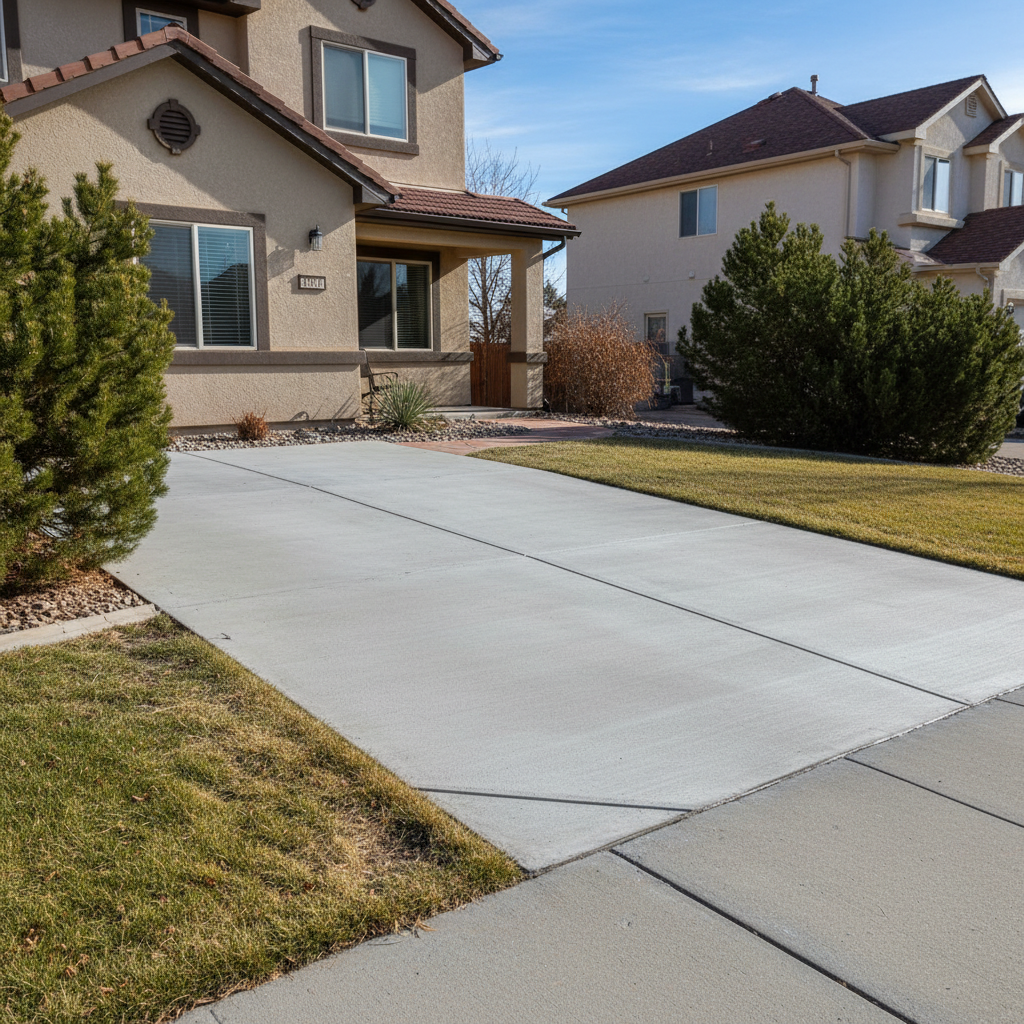
So, you've had some concrete work done, maybe a driveway repair, a new patio, or some sidewalk leveling. Great! That's a solid investment in your home. But here's the thing: concrete isn't set-it-and-forget-it, especially not here in Murray. Our Utah weather, with its crazy freeze-thaw cycles and hot summers, can really put concrete to the test. You want that repair to last, right? Of course you do. So let's talk about how to keep it looking good and holding strong for years to come.
Extend the Life of Your Concrete Repair
The biggest thing you can do to protect your newly repaired concrete is to seal it. I can't stress this enough. A good quality concrete sealer acts like a shield. It repels water, oil, and other stains, and it's your best defense against those brutal freeze-thaw cycles we get every winter. When water seeps into unsealed concrete and then freezes, it expands, creating pressure that can crack and spall the surface. That's how a lot of concrete damage starts around here. I've seen it countless times in neighborhoods like Fashion Place West, where older driveways just crumble over time.
You'll want to reapply sealer every two to five years, depending on the type of sealer and how much traffic the concrete gets. Think of it like waxing your car – it's preventative maintenance that pays off big time. Also, be mindful of heavy loads. Try not to park really heavy vehicles or machinery on newly repaired or even older concrete for extended periods. It puts unnecessary stress on the slab and the sub-base.
What Regular Maintenance Looks Like
Keeping your concrete in good shape doesn't take a ton of effort, but it does take consistency. Here's what I tell my clients:
- Keep it Clean: Sweep off dirt, leaves, and debris regularly. This prevents organic matter from breaking down and staining the surface. If you spill something like oil or grease, clean it up immediately. The longer it sits, the harder it is to remove, and it can weaken the concrete over time.
- Wash it Down: A good rinse with a garden hose and a stiff brush a few times a year can do wonders. For tougher stains, a mild detergent and water usually do the trick. Just make sure to rinse thoroughly so you don't leave any residue.
- Watch for Weeds: Weeds and grass love to sprout in cracks. Not only do they look bad, but their roots can actually widen existing cracks, making the problem worse. Pull them out as soon as you see them.
- De-icing Salt Caution: This is a big one for Murray. While de-icing salts are effective at melting ice, many types, especially those containing ammonium sulfate or ammonium nitrate, can be really harsh on concrete. They can cause surface deterioration and spalling. Try to use sand for traction or a concrete-safe de-icer. If you do use salt, make sure to rinse it off thoroughly once the ice is gone and the weather warms up a bit.
Warning Signs of Problems
You're out there on your patio or walking up your driveway, and you should be paying attention to a few things. Catching small issues early can save you a lot of money and headache down the road.
- New Cracks or Widening Existing Ones: This is probably the most obvious sign. Hairline cracks are common and often not a big deal, especially if they're not getting bigger. But if you see new cracks forming, or existing ones starting to spread or widen, that's a red flag.
- Spalling or Flaking: This is when the surface of the concrete starts to chip, peel, or flake off. It often looks like the top layer is coming apart. This is usually a sign of freeze-thaw damage or an issue with the concrete mix itself.
- Uneven Surfaces or Sinking: If a section of your concrete slab starts to sink or become uneven, that's a sign of a problem with the sub-base. It could be erosion, poor compaction, or even expansive clay soils we sometimes deal with around here causing movement. This isn't just an aesthetic issue; it can create trip hazards.
- Discoloration or Stains You Can't Remove: While some stains are just cosmetic, persistent dark or wet spots could indicate water pooling or even a drainage issue underneath the slab.
When to Call a Professional
Look, you can handle a lot of the routine stuff yourself. But some problems are just beyond a DIY fix, and that's okay. Knowing when to call in a pro like Neighborly Concrete Solutions can save you from making a small problem a much bigger, more expensive one.
- Significant Cracks: If you've got cracks that are wider than a quarter-inch, deep, or running all the way through a slab, you need a professional assessment. These often indicate structural issues.
- Sinking or Uneven Slabs: If your concrete is sinking or creating trip hazards, especially if it's near your home's foundation, don't wait. This isn't just about patching; it often requires lifting and leveling techniques like mudjacking or polyjacking to address the sub-base issue.
- Extensive Spalling: If a large area of your concrete surface is flaking or deteriorating, it's usually past the point of a simple patch. A professional can determine if it needs resurfacing or replacement.
- Drainage Problems: If you notice water consistently pooling on or around your concrete, or if it's draining towards your foundation, that's a serious problem that needs expert attention. Proper drainage is crucial for concrete longevity and your home's integrity.
- You're Just Not Sure: Honestly, if you see something that concerns you and you're not confident in what it is or how to fix it, just give us a call. We're happy to come out, take a look, and give you an honest opinion. It's always better to be safe than sorry when it comes to your home's concrete.
Taking care of your concrete isn't glamorous, but it's essential for protecting your investment and keeping your property safe and looking good. A little bit of effort goes a long way, especially with our unique Utah climate trying to beat it up.